

Invensis Learning Logo
    Contact Us
    Resources

    Observability Foundation Certification Training in Albania

    Walk Out Certified

    Master the three pillars of observability, metrics, logs and traces, with instructor-led training aligned to the DevOps Institute Observability Foundation Body of Knowledge. Built for DevOps engineers, SREs and IT operations teams across Albania, it delivers a globally recognised credential and the confidence to pass the OBSF exam.

    Certification Badge

    Flexible

    Duration

    Live

    Mode

    16

    Hours

    1K+ already enrolled

    4.2 (250+ Reviews)

    3 enrolled this week

    14 viewing right now

    Want to Train Your Team?

    Home/View Courses in Albania/DevOps Certification Training Courses in Albania/Observability Foundation in Albania

    Master Observability Foundation Course and Lead Systems in Albania

    Starts from

    ALL 104580

    Course Overview

    Overview

    Course Highlights

    Eligibility Criteria

    Benefits

    Exam Format

    Certification Cost

    What Is the Observability Foundation Certification?UntitledA Foundation in Metrics, Logs and Traces

    The Observability Foundation (OBSF) is a vendor-neutral certification from the DevOps Institute that validates your understanding of how to observe, measure and improve modern software systems. Our Observability Foundation certification training in Albania prepares DevOps, SRE and IT operations professionals to implement observability through its three pillars, metrics, logs and distributed traces, aligned to the current Observability Foundation Exam Blueprint and Body of Knowledge. Observability is the ability to understand the internal state of a system from its external outputs, going beyond traditional monitoring to explain not just when something breaks but why. Across Albania's growing IT services, banking and telecoms sectors, employers increasingly expect engineers who can instrument systems, define SLIs and SLOs, and cut incident response times. The OBSF credential is recognised globally and valid for three years. Whether you are formalising hands-on experience or moving from monitoring into full-stack observability, get certified with Invensis Learning and take a confident step forward.

    Invensis Learning is a Peoplecert Accredited Training Organization (2778) in Albania, approved to deliver official Observability Foundation training using accredited courseware and standards.

    What Is the Observability Foundation Certification?A Foundation in Metrics, Logs and Traces

    The Observability Foundation (OBSF) is a vendor-neutral certification from the DevOps Institute that validates your understanding of how to observe, measure and improve modern software systems. Our Observability Foundation certification training in Albania prepares DevOps, SRE and IT operations professionals to implement observability through its three pillars, metrics, logs and distributed traces, aligned to the current Observability Foundation Exam Blueprint and Body of Knowledge.

    Observability is the ability to understand the internal state of a system from its external outputs, going beyond traditional monitoring to explain not just when something breaks but why. Across Albania's growing IT services, banking and telecoms sectors, employers increasingly expect engineers who can instrument systems, define SLIs and SLOs, and cut incident response times.

    The OBSF credential is recognised globally and valid for three years. Whether you are formalising hands-on experience or moving from monitoring into full-stack observability, get certified with Invensis Learning and take a confident step forward.

    Certification Badge

    Invensis Learning is a Peoplecert Accredited Training Organization (2778) in Albania, approved to deliver official Observability Foundation training using accredited courseware and standards.

    Key Highlightsof the Observability Foundation Certification Training Course

    End-to-End Learning and Certification Readiness

    • Structured Observability Foundation Certification training in Albania designed to help learners understand core concepts, frameworks, tools, and practices
    • Course content aligned with the latest syllabus, certification requirements, or industry learning objectives where applicable
    • Practical examples and scenario-based exercises to help learners connect training concepts with workplace situations
    • Guided preparation support for learners pursuing certification, assessment, or professional skill validation

    Structured Courseware and Learning Resources

    • Access to organized Observability Foundation training materials that support step-by-step learning
    • Topic-wise learning resources, exercises, and knowledge checks to reinforce understanding
    • Practice questions, assignments, quizzes, or mock assessments included where applicable
    • Supplementary learning aids such as templates, case studies, guides, flashcards, or toolkits depending on the course structure

    Instructor-Led, Practical Learning Experience

    • Live interactive sessions delivered by experienced trainers with relevant domain expertise
    • Real-world examples, case discussions, and practical activities to improve applied understanding
    • Opportunities to ask questions, clarify doubts, and participate in trainer-led discussions
    • Training focused on helping learners apply concepts at work, not just complete the course content

    Flexible Learning Support in Albania

    • Flexible training formats in Albania for individual professionals and corporate teams
    • Options include live virtual classroom training, onsite training, self-paced learning, or customized group training depending on course availability
    • Learning support designed to help participants stay on track throughout the training journey
    • Additional revision, retake, or post-training support may be available based on the selected course

    Learn the Core Concepts Covered in the Course

    • Understand foundational principles, terminology, and important subject areas related to Observability Foundation
    • Learn relevant tools, methods, frameworks, processes, or practices based on the course curriculum
    • Explore practical use cases that show how the concepts are applied in professional environments
    • Build role-relevant knowledge that supports better decision-making, execution, and workplace performance

    Assessment, Practice, and Completion Support

    • Practice through quizzes, assignments, exercises, mock tests, or simulations where applicable
    • Use assessments to identify learning gaps and strengthen weak areas
    • Receive guidance on the Observability Foundation certification exam, exam preparation strategies, and certification requirements
    • Earn a course completion certificate in Albania after successfully meeting the course requirements

    Career and Workplace Application

    • Build practical skills that support professional growth, role advancement, and improved job performance
    • Strengthen confidence in applying course concepts to workplace challenges
    • Improve professional credibility through structured training and certification preparation where applicable
    • Support organizational capability building when delivered as corporate or team training

    Observability Foundation Certification EligibilityDo You Qualify for the Observability Foundation Exam?

    Observability Foundation has no formal prerequisites. It is open to anyone interested in modern reliability, observability, and SRE practices:

    • Open to all professionals in Albania - no prior observability experience required.

    • Suitable for SREs, DevOps engineers, platform engineers, observability engineers, incident commanders, ops leads, and engineering managers.

    • Familiarity with basic software delivery, cloud, or operations concepts is helpful but not required.

    • Active participation in the full 2-day course strengthens readiness for the live DevOps Institute exam.

    What You Gain from Getting Observability CertifiedCareer Value You Can Measure

    For Individuals

    For Individuals

    Observability Foundation training helps IT professionals turn hands-on monitoring experience into a recognised credential. The course suits DevOps engineers, SREs, platform engineers and developers who want to master metrics, logs and traces and prove their observability skills to employers. Whether you are advancing in a Tirana software house, a bank or a telecoms provider, this training builds capabilities that modern engineering teams value.

    If you want a vendor-neutral credential that travels across employers and borders, the OBSF is a clear next step. You gain structured knowledge of observability tooling, SLI and SLO practice, and a supported path to passing the exam on your first attempt.

    • Validates practical observability knowledge and boosts your credibility with employers
    • Positions you for DevOps engineer, SRE and platform engineering roles
    • Builds command of the three pillars: metrics, logs and distributed tracing
    • Strengthens SLI, SLO and error-budget skills that improve system reliability
    • Provides a globally recognised, vendor-neutral DevOps Institute credential
    • Prepares you for the 40-question OBSF exam with structured, exam-aligned practice
    • Supports career growth in Albania's fast-growing IT services and fintech sectors
    • Equips you to cut incident response times using OpenTelemetry and modern tooling
    For Organizations

    For Organizations

    Observability Foundation group training helps organisations build a shared observability practice by equipping engineering and operations teams with common concepts and tools. Training can be delivered for DevOps, SRE, platform and support teams across your business. For organisations modernising monitoring into full observability, this training provides a scalable, tool-agnostic foundation.

    If your teams still work in reactive monitoring, OBSF group training creates a common language for metrics, logs, traces, SLIs and SLOs. Teams gain a consistent approach that shortens incident response and improves reliability across services.

    • Builds consistent observability practice across engineering and operations teams
    • Reduces mean time to detect and resolve incidents in production systems
    • Standardises use of metrics, logs and traces across services and teams
    • Improves reliability with shared SLI, SLO and error-budget frameworks
    • Enables customised, role-based training for DevOps, SRE and platform teams
    • Supports OpenTelemetry adoption and vendor-neutral tooling decisions
    • Delivered live virtual or onsite for teams across Albania
    • Strengthens in-house observability capability and reduces key-person risk

    Observability Foundation Exam FormatWhat to expect on exam day

    The Observability Foundation exam in Albania validates your understanding of modern observability and Site Reliability Engineering practice. The exam focuses on the three pillars of observability (metrics, logs, distributed traces), service-level indicators and objectives (SLIs / SLOs), error budgets, OpenTelemetry, telemetry pipelines, burn-rate alerting, and incident-response practice. Through a combination of multiple-choice questions, candidates are tested on their ability to apply observability principles in real-world cloud-native and microservices environments.

    Exam ComponentDetails
    Exam NameObservability Foundation
    Conducted ByDevOps Institute
    Exam Duration60 minutes
    Questions40 multiple-choice questions
    Passing Score65% (26 of 40)
    FormatMultiple-choice, closed book; online proctored or test center
    Testing BasisOfficial Observability Foundation syllabus
    Testing FormatDevOps Institute online proctored or test center

    Observability Foundation Certification Cost

    The total cost of getting Observability Foundation certified in Albania includes the training fee and the certification exam fee.

    Training Cost Includes:

    • 2 days of expert-led DevOps Institute-accredited Observability Foundation training
    • DevOps Institute-aligned digital courseware on the Observability Foundation syllabus
    • Scenario practice on the three pillars, SLI / SLO design, OpenTelemetry, and burn-rate alerting
    • Full-length 40-question mock exams that mirror the live DevOps Institute paper
    • The Observability Foundation training cost in Albania is ALL 104580

    Exam Cost:

    • DevOps Institute Observability Foundation exam fee paid to the DevOps Institute
    • Online proctored delivery via the DevOps Institute candidate portal (or at an approved test centre)
    • 40 multiple-choice questions, 60 minutes, 65% pass mark (26 of 40), closed book
    • Lifetime-valid Observability Foundation certification credential, no formal renewal required
    • Invensis Learning packages bundle the DevOps Institute Observability Foundation exam voucher

    Note: Prices may vary depending on your location and delivery preferences. Reach out to our learning advisors for the exact pricing details.

    Observability Careers in AlbaniaRoles, Demand and Earning Potential

    Observability skills are among the most sought-after in Albania's IT sector, valued by software houses, banks, telecoms and outsourcing firms that run always-on digital services. As Tirana's ICT industry scales and companies modernise monitoring into full observability, certified DevOps, SRE and platform engineers are in short supply, and senior operations talent is largely passive and commands signing bonuses. Here is what the market is telling us right now.

    L 1.8M

    Average DevOps engineer salary, Albania

    per year, Paylab and Glassdoor 2026

    L 2.3M

    Average SRE salary, Albania

    per year, market estimate 2026

    22,000+

    ICT professionals, Tirana metro

    Tirana ICT sector, 2024-2026

    85-90%

    Senior DevOps and SRE talent passive

    KiTalent Tirana ICT, 2026

    SECTORS HIRING

    • —IT Services and Software Outsourcing
    • —Banking, Fintech and Financial Services
    • —Telecommunications
    • —BPO and Shared Services
    • —E-commerce and Retail Technology
    • —Government and Public Digital Services

    GROWTH TRENDS

    • —ICT services exports up from EUR 68m to EUR 155m (2018 to 2022)
    • —Tirana ICT sector around EUR 420m revenue, 22,000+ professionals
    • —Senior DevOps and SRE talent 85-90% passive and in short supply
    • —EU regulatory alignment boosting demand for EU-facing services
    • —Software headcount projected to grow 12-15% in 2026
    • —Shift from traditional monitoring to full-stack observability

    Sources: Glassdoor, Paylab, levels.fyi (Albania) 2025-2026; KiTalent Tirana ICT market; Albanian ICT export data.

    Designation

    Observability Foundation Certified Professionals in Albania : Salary Insights and Trends

    Hiring Companies in Albania

    L850K
    Min
    L1300K
    Average
    L2100K
    Max

    Paylab · Glassdoor (Albania) 2026

    Vodafone AlbaniaOne AlbaniaBKTCredins Bank

    Source: Vodafone Albania · One Albania · BKT · Credins Bank

    Why Observability Talent Is in Demand in Albania

    The Monitoring-To-Observability Gap

    Many Albanian IT teams still rely on basic monitoring that flags symptoms but not causes. Observability skills close that gap, explaining why systems fail, not just when.

    OBSF builds full observability skills

    Always-On EU Service Delivery

    Albanian software houses and BPOs serve Italian, German and Greek clients who expect near-constant uptime. Reliable, observable systems are now a competitive requirement.

    OBSF builds reliability capability

    Scarce Senior Reliability Talent

    Tirana's junior developer pool is deep, but senior DevOps, SRE and observability engineers are scarce and largely passive, making certified professionals stand out.

    OBSF makes certified engineers stand out

    Fintech and Banking Reliability Pressure

    Albanian banks and fintechs face strict uptime and audit expectations. Observability supports the reliability and traceability that regulated digital services demand.

    OBSF builds SLI and SLO skills

    Cloud-Native and Microservices Complexity

    As teams adopt cloud-native and microservices architectures, distributed systems get harder to debug. The three pillars and OpenTelemetry make that complexity manageable.

    OBSF builds tracing and OpenTelemetry skills

    The Rising Cost of Downtime

    For e-commerce and digital platforms, every minute of downtime costs revenue. Observability shortens incident response and protects customer experience and trust.

    OBSF shortens incident response

    Sources: KiTalent Tirana ICT market 2026; Albanian ICT export and outsourcing data; Glassdoor, Paylab (Albania) 2025-2026.

    Observability is fast becoming a core reliability skill across Albania's IT sector. Join professionals building the metrics, logs and traces expertise that employers need. Start your journey today.

    Your Albania Career Transformation

    Before and After the OBSF Credential

    Your Observability Career, Upgraded

    Albania's IT sector is modernising fast, and employers increasingly separate engineers who can make systems observable from those who only monitor them. Here is which side of that line you want to be on.

    Today

    Pay tracks general IT operations rates with limited leverage

    After OBSF

    DevOps and SRE roles in Albania average around L 1.8M to L 2.3M, with senior bands far higher

    Today

    Pay tracks general IT operations rates with limited leverage

    Today

    Overlooked for reliability roles that expect observability skills

    After OBSF

    Eligible for DevOps, SRE and platform roles across IT services, fintech and telecoms

    Today

    Overlooked for reliability roles that expect observability skills

    Today

    Confident with monitoring, but teams want full observability

    After OBSF

    Fluent in metrics, logs, traces, SLIs and SLOs that modern teams expect

    Today

    Confident with monitoring, but teams want full observability

    You earn your OBSF

    Before

    Skills proven only by experience, not a recognised credential

    Now you have

    A globally recognised, vendor-neutral DevOps Institute credential

    Before

    Skills proven only by experience, not a recognised credential

    Before

    Stuck in reactive monitoring and day-to-day firefighting

    Now you have

    A clear route into SRE, platform and senior DevOps roles

    Before

    Stuck in reactive monitoring and day-to-day firefighting

    Before

    Limited visibility into distributed, cloud-native systems

    Now you have

    The tooling skills to instrument and debug modern systems with OpenTelemetry

    Before

    Limited visibility into distributed, cloud-native systems

    Before

    Recognition tied to one employer or a single tool stack

    Now you have

    A tool-agnostic credential that travels across employers and borders

    Before

    Recognition tied to one employer or a single tool stack

    "The gap between watching systems and truly understanding them is now a recognised credential, and the teams that matter already know it."

    Join 50,000+ professionals who trained with Invensis Learning and made the shift.

    Sources: levels.fyi, Paylab, Glassdoor (Albania) 2025-2026.

    How to Get Observability Foundation Certified in AlbaniaStep-by-Step Certification Process

    The Observability Foundation certification path in Albania is a single-exam track. Complete the 2-day DevOps Institute-accredited training, take the 40-question / 60-minute closed-book exam, and earn a lifetime-valid credential.

    Step 1: Enrol in the 2-Day Observability Foundation Training

    Choose your preferred Invensis Learning Observability Foundation cohort (2-Day Live Online Bootcamp, E-Learning, or Corporate Group Training).

    Step 2: Create Your DevOps Institute Account

    Create or sign in to your DevOps Institute account. Your account stores your exam voucher, schedule, results, and digital badge. Invensis Learning packages typically include the exam voucher.

    Step 3: Complete the Training and Practice Mocks

    Attend the full 2-day training in Albania, work through scenario exercises on metrics / logs / traces, SLI / SLO design, OpenTelemetry, and burn-rate alerting, and complete at least one full-length 40-question mock exam.

    Step 4: Schedule the Observability Foundation Exam

    Book your exam through your DevOps Institute account: 40 multiple-choice questions, 60 minutes, 65% pass mark, closed book. Online proctored or at an approved test centre.

    Step 5: Take the Observability Foundation Exam

    Sit the exam. You receive a provisional result at the end of the online exam, with the official certificate and digital badge issued shortly after.

    Step 6: Activate Your Credential

    The DevOps Institute issues your Observability Foundation digital badge and certificate. Lifetime valid, no renewal required.

    Step 1

    Enrol in the 2-Day Observability Foundation Training

    Choose your preferred Invensis Learning Observability Foundation cohort (2-Day Live Online Bootcamp, E-Learning, or Corporate Group Training).

    Step 1

    Enrol in the 2-Day Observability Foundation Training

    Choose your preferred Invensis Learning Observability Foundation cohort (2-Day Live Online Bootcamp, E-Learning, or Corporate Group Training).

    Step 2

    Create Your DevOps Institute Account

    Create or sign in to your DevOps Institute account. Your account stores your exam voucher, schedule, results, and digital badge. Invensis Learning packages typically include the exam voucher.

    Step 2

    Create Your DevOps Institute Account

    Create or sign in to your DevOps Institute account. Your account stores your exam voucher, schedule, results, and digital badge. Invensis Learning packages typically include the exam voucher.

    Step 3

    Complete the Training and Practice Mocks

    Attend the full 2-day training in Albania, work through scenario exercises on metrics / logs / traces, SLI / SLO design, OpenTelemetry, and burn-rate alerting, and complete at least one full-length 40-question mock exam.

    Step 3

    Complete the Training and Practice Mocks

    Attend the full 2-day training in Albania, work through scenario exercises on metrics / logs / traces, SLI / SLO design, OpenTelemetry, and burn-rate alerting, and complete at least one full-length 40-question mock exam.

    Step 4

    Schedule the Observability Foundation Exam

    Book your exam through your DevOps Institute account: 40 multiple-choice questions, 60 minutes, 65% pass mark, closed book. Online proctored or at an approved test centre.

    Step 4

    Schedule the Observability Foundation Exam

    Book your exam through your DevOps Institute account: 40 multiple-choice questions, 60 minutes, 65% pass mark, closed book. Online proctored or at an approved test centre.

    Step 5

    Take the Observability Foundation Exam

    Sit the exam. You receive a provisional result at the end of the online exam, with the official certificate and digital badge issued shortly after.

    Step 5

    Take the Observability Foundation Exam

    Sit the exam. You receive a provisional result at the end of the online exam, with the official certificate and digital badge issued shortly after.

    Step 6

    Activate Your Credential

    The DevOps Institute issues your Observability Foundation digital badge and certificate. Lifetime valid, no renewal required.

    Step 6

    Activate Your Credential

    The DevOps Institute issues your Observability Foundation digital badge and certificate. Lifetime valid, no renewal required.

    Module 1: Observability Principles and the Three Pillars

    • What observability is — and how it differs from monitoring
    • The three pillars: metrics, logs, distributed traces
    • Cardinality, dimensionality, and high-context telemetry
    • Why observability matters for cloud-native and microservices

    Module 2: Metrics, Logs, and Distributed Tracing

    • Metrics: counters, gauges, histograms, and summaries
    • Structured logging and log aggregation patterns
    • Distributed tracing: spans, contexts, and propagation
    • Correlating metrics, logs, and traces for root-cause analysis

    Module 3: SLIs, SLOs, SLAs, and Error Budgets

    • Defining service-level indicators (SLIs) that matter to users
    • Writing meaningful service-level objectives (SLOs)
    • Error budgets: trading reliability for delivery velocity
    • SLA contracts and customer-facing reliability commitments

    Module 4: OpenTelemetry and Telemetry Pipelines

    • OpenTelemetry: SDKs, collectors, and semantic conventions
    • Telemetry pipelines: aggregation, transformation, routing
    • Sampling strategies (head-based, tail-based, dynamic)
    • Cost management for high-cardinality observability data

    Module 5: Alerting Strategy and Incident Response

    • From alert-on-symptom to alert-on-burn-rate
    • Designing on-call rotations and reducing alert fatigue
    • Incident-response runbooks and structured retrospectives
    • Blameless postmortems and continuous-learning loops

    Module 6: SRE, AIOps, and Observability Foundation Exam Prep

    • Observability's role in mature SRE practice
    • AIOps, anomaly detection, and the future of observability
    • Observability Foundation exam structure and sample questions
    • Time management for the 40-question, 60-minute paper

    Course Curriculumof the Observability Foundation Certification Training

    The Observability Foundation curriculum follows the official Observability Foundation syllabus published by the DevOps Institute and covers all tested domains across the syllabus.

    image

    100% Secure and Safe download

    • What observability is — and how it differs from monitoring
    • The three pillars: metrics, logs, distributed traces
    • Cardinality, dimensionality, and high-context telemetry
    • Why observability matters for cloud-native and microservices

    The Three Pillars are referenced throughout the rest of the syllabus, making them worth memorizing early.

    Module 1: Observability Principles and the Three Pillars

    • What observability is — and how it differs from monitoring
    • The three pillars: metrics, logs, distributed traces
    • Cardinality, dimensionality, and high-context telemetry
    • Why observability matters for cloud-native and microservices

    The Three Pillars are referenced throughout the rest of the syllabus, making them worth memorizing early.

    image

    100% Secure and Safe download

    The Skills You Will Build in This CourseFrom Telemetry to SLOs

    This Observability Foundation training builds practical, tool-agnostic observability skills mapped to the DevOps Institute Body of Knowledge. By the end, you can instrument systems, work across the three pillars, and define reliability targets that matter to users.

    Observability Principles and the Three Pillars

    Learn what you will gain first: a clear grasp of observability versus monitoring and how metrics, logs and distributed traces work together. You will understand cardinality, high-context telemetry and why observability matters for cloud-native and microservices systems.

    Metrics, Logs and Distributed Tracing

    Work confidently with counters, gauges and histograms, structured logging and log aggregation, and distributed traces using spans and context propagation. You will learn to correlate all three pillars for fast, accurate root-cause analysis.

    SLIs, SLOs, SLAs and Error Budgets

    Define service-level indicators that reflect real user experience, set meaningful SLOs, and use error budgets to balance reliability with delivery speed. You will connect SLAs to customer-facing reliability commitments.

    OpenTelemetry and Telemetry Pipelines

    Apply OpenTelemetry SDKs, collectors and semantic conventions to instrument systems in a vendor-neutral way. You will design telemetry pipelines, choose sampling strategies and manage the cost of high-cardinality data.

    Alerting Strategy and Incident Response

    Move from noisy symptom alerts to burn-rate alerting, design on-call rotations that reduce alert fatigue, and run incident response with clear runbooks. You will practise blameless postmortems and continuous-learning loops.

    SRE, AIOps and Exam Readiness

    See how observability underpins mature SRE practice and where AIOps and anomaly detection are heading. You will review the 40-question, 60-minute open-book exam format and practise time management for the OBSF paper.

    Who Should TakeObservability Foundation Certification Training in Albania?

    Observability Engineers

    Cloud Operations Engineers

    Incident Commanders and On-Call Engineers

    Application Performance Engineers

    Engineering Managers driving reliability programmes

    Solution Architects and Production Engineers

    Site Reliability Engineers (SREs)

    DevOps Engineers and DevOps Practitioners

    Platform Engineers and Platform Leads

    Who Can Take This Certification Training

    Observability Foundation Training Optionsfor Professionals and Teams

    We offer flexible Observability Foundation training formats designed to suit different learning preferences, schedules, and professional goals. Whether you prefer instructor-led classroom learning, live online sessions, corporate team training, or personalized coaching, choose the option that best supports your Observability Foundation certification journey.

    Observability Foundation Classroom Training

    • Instructor-led classroom sessions in Albania

    • Interactive discussions and group activities

    • Real-world examples and practical exercises

    • Structured learning with fixed schedules

    • Opportunities for peer networking and collaboration

    • Practice assessments and knowledge checks

    • Dedicated Q&A and concept clarification

    • Immediate trainer feedback and support

    Untitled

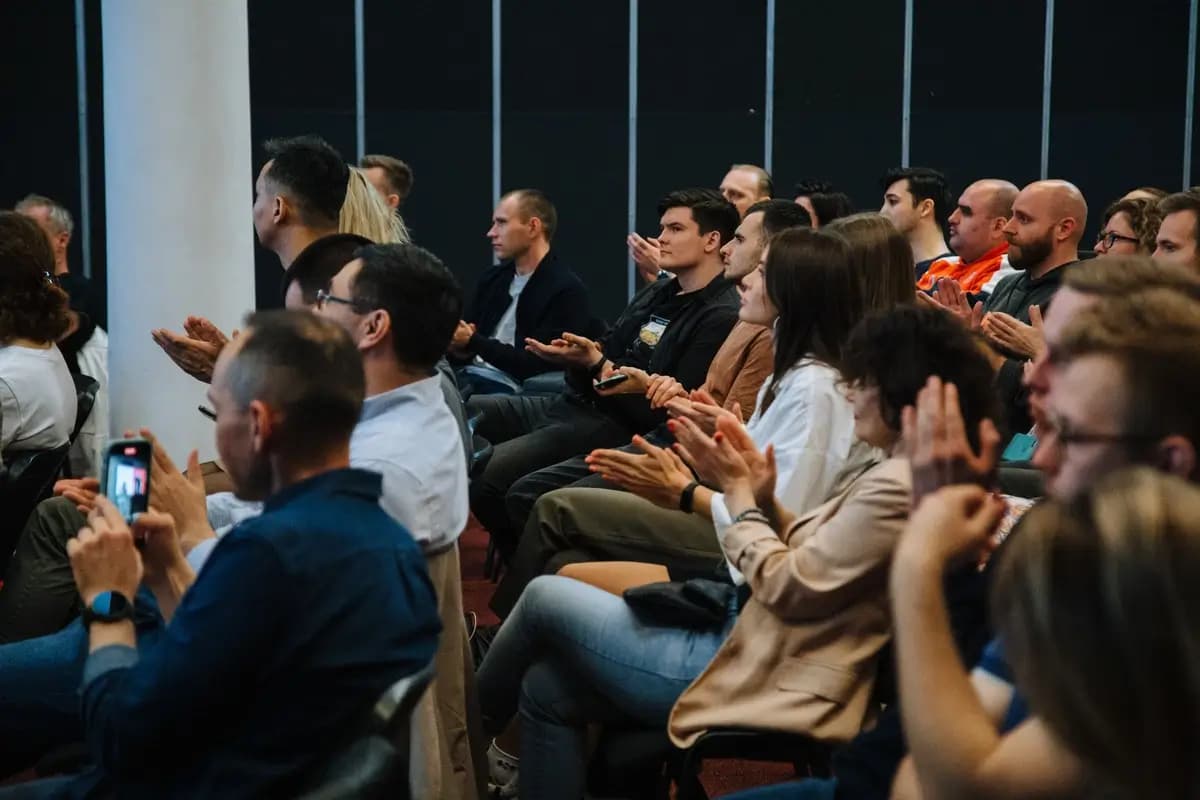
    Learn through face-to-face sessions led by experienced instructors in a collaborative classroom environment. This Classroom Observability Foundation training format combines expert guidance, peer interaction, and practical exercises to help learners build a strong understanding of DevOps principles, culture, and automation practices.

    Official DevOps Institute-aligned Course Material

    Best For: Learners who prefer in-person interaction, structured schedules, and collaborative learning experiences.

    Untitled

    Observability Foundation Live Virtual Training

    • Live online instructor-led sessions

    • Interactive discussions and virtual activities

    • Expert guidance from experienced trainers

    • Practice assessments and revision support

    • Dedicated Q&A sessions for concept clarification

    • Fixed schedules for accountability and momentum

    • Small batch sizes for personalized attention

    • Access from any location with internet connectivity

    ALL 104580

    Attend fully interactive online sessions from anywhere while benefiting from real-time instructor guidance and collaborative learning experiences. This Observability Foundation online training option in Albania offers flexibility while maintaining direct engagement with experienced trainers.

    Official DevOps Institute-aligned Course Material

    Best For: Professionals seeking the flexibility of online learning without compromising on live instructor interaction.

    Untitled

    Observability Foundation Corporate Group Training

    • Customized training in Albania aligned to organizational goals

    • Flexible delivery: onsite, virtual, hybrid, or blended

    • Scheduling tailored to business availability

    • Role-based examples and industry-relevant discussions

    • Progress tracking and learner assessments where applicable

    • Dedicated coordination and administrative support

    • Consistent learning experiences across teams

    • Scalable delivery for local, regional, or global workforces

    Untitled

    Designed for organizations looking to strengthen DevOps capabilities, improve collaboration between development and operations teams, and support workforce transformation through customized team learning initiatives. This Observability Foundation corporate training solution can be tailored to organizational goals and business requirements.

    Official DevOps Institute-aligned Course Material

    Best For: Organizations looking to upskill employees, address capability gaps, and deliver consistent training across teams.

    Untitled

    Observability Foundation Focused 1-to-1 Training

    • One-to-one instructor attention

    • Customized learning plans and objectives

    • Flexible scheduling based on availability

    • Personalized feedback and coaching

    • Additional focus on challenging topics

    • Targeted practice and revision support

    • Faster clarification of questions and concepts

    • Learning pace is adapted to individual needs

    Untitled

    Receive personalized instruction tailored to your goals, pace, and learning requirements through dedicated sessions with an expert trainer. This format provides customized Observability Foundation certification coaching and focused exam preparation support.

    Official DevOps Institute-aligned Course Material

    Best For: Professionals seeking personalized guidance, accelerated learning, or focused support to achieve specific outcomes.

    Untitled

    Observability Foundation Classroom Training

    Observability Foundation Classroom Training

    Instructor-led classroom sessions in Albania

    Interactive discussions and group activities

    Real-world examples and practical exercises

    Structured learning with fixed schedules

    Opportunities for peer networking and collaboration

    Practice assessments and knowledge checks

    Dedicated Q&A and concept clarification

    Immediate trainer feedback and support

    Untitled

    Please Note:Learn through face-to-face sessions led by experienced instructors in a collaborative classroom environment. This Classroom Observability Foundation training format combines expert guidance, peer interaction, and practical exercises to help learners build a strong understanding of DevOps principles, culture, and automation practices.

    Official DevOps Institute-aligned Course Material

    Best For: Learners who prefer in-person interaction, structured schedules, and collaborative learning experiences.

    Loading schedules…

    Why Choose Invensis Learning in AlbaniaA Learning Partner You Can Trust

    As a trusted Observability Foundation training company in Albania, Invensis Learning is a DevOps Institute (PeopleCert) Authorized Training Partner, delivering Observability Foundation training aligned to the official Exam Blueprint. Our courses combine experienced, DevOps Institute-authorized trainers, hands-on case studies and flexible delivery for learners and teams across Albania. Whether you enrol as an individual or arrange corporate training for your team, you get organised courseware, practice questions and dedicated support built around real-world application and exam success.

    • DevOps Institute (PeopleCert) Authorized Training Partner
    • Experienced, DevOps Institute-authorized trainers with real observability experience
    • Live virtual (online) and onsite instructor-led training options
    • Courseware aligned to the current Observability Foundation Exam Blueprint
    • Industry case studies covering metrics, logs, traces, SLIs and SLOs
    • Observability Foundation mock exams and practice questions included
    • Flexible schedules for individuals and corporate teams across Albania
    • Dedicated learner support before, during and after training

    500+

    Corporate Clients

    15+

    Years of Training Excellence

    24/7

    Learner Support

    50+

    Industries Served

    ISO 9001:2015 Certified

    ISO 9001:2015 Certified

    ISO 27001:2022 Certified

    ISO 27001:2022 Certified

    Secure SSL Encryption

    Secure SSL Encryption

    Leaders in Training industry for 12+ years

    Leaders in Training industry for 12+ years

    Over 5000 five star reviews

    Over 5000 five star reviews

    Level AA conformance, W3C WCAG 2.2

    Level AA conformance, W3C WCAG 2.2

    Observability Foundation Training Locations in AlbaniaAll our classroom training is now available online at your convenience

    Observability Foundation in Albania

    Marriott Tirana, Sheshi Italia, Qyteti Studenti, Njësia Bashkiake Nr. 2, Tiranë, Bashkia Tiranë, Qarku i Tiranës, Shqipëria Qendrore, 2391, Shqipëria

    Observability Foundation in Albania

    Rogner Hotel Tirana, Bulevardi Dëshmorët e Kombit, Njësia Bashkiake Nr. 2, Tiranë, Bashkia Tiranë, Qarku i Tiranës, Shqipëria Qendrore, 2391, Shqipëria

    Observability Foundation in Albania

    Marriott Tirana, Sheshi Italia, Qyteti Studenti, Njësia Bashkiake Nr. 2, Tiranë, Bashkia Tiranë, Qarku i Tiranës, Shqipëria Qendrore, 2391, Shqipëria

    Observability Foundation in Albania

    Rogner Hotel Tirana, Bulevardi Dëshmorët e Kombit, Njësia Bashkiake Nr. 2, Tiranë, Bashkia Tiranë, Qarku i Tiranës, Shqipëria Qendrore, 2391, Shqipëria

    corporate bannercorporate banner

    Corporate Observability TrainingReliability Skills for Teams

    Untitled

    • Customised Observability Foundation training for DevOps, SRE and platform teams
    • Flexible delivery through live virtual, onsite or blended formats
    • Schedules aligned to your team's availability and time zone
    • Role-based case studies drawn from real observability scenarios
    • Progress tracking, assessments and learner feedback
    • Dedicated coordination and support for group training
    • Scalable delivery for teams across Albania and abroad

    Trusted by Teams Like Yours

    IkubINFOCodeViderArmundia FactoryVodafone AlbaniaOne AlbaniaBKT

    What Our Learners Say

    Untitled

    Metrics, Logs and Traces Finally Made Sense

    "The three pillars finally clicked for me. I now instrument services with OpenTelemetry and correlate metrics, logs and traces to find root causes fast. The mock exams made the OBSF paper feel straightforward on the day."

    Endrit Hoxha

    Untitled

    0/0

    A Real Step up into SRE Practice

    "The sessions on SLIs, SLOs and error budgets changed how I think about reliability. I came in with monitoring experience and left able to set targets that actually reflect what our users feel."

    Elira Kola

    Untitled

    0/0

    Practical and Tool-Agnostic

    "Very practical and well paced. The OpenTelemetry and distributed tracing modules were exactly what I needed to instrument our microservices, and the trainer answered every question clearly."

    Klodian Marku

    Untitled

    0/0

    Shared Observability Language for the Team

    "We put our platform team through the corporate programme. It gave everyone a shared language for observability, and our incident response has become noticeably faster and calmer."

    Blerina Shala

    Untitled

    0/0

    Lower MTTR After Team Training

    "The onsite training was tailored to our telecoms stack. The team now works confidently across metrics, logs and traces, and we have reduced our mean time to resolve incidents."

    Arben Prifti

    Untitled

    0/0


    Trustpilot

    4.6

    Ratings

    100K+

    Happy Learners

    100+

    Locations Worldwide

    99%

    Training Satisfaction

    Enquire with us now

    Drop us a query and our learning consultant will reach out to you shortly

    Get Course Details & Pricing

    Fill out this form and we will respond quickly.

    We also deliver Observability Foundation Trainingacross multiple cities

    Invensis Learning delivers industry-leading Observability Foundation training solutions tailored for individuals and organizations.

    City map with location markers

    Explore Our Other Course Categories

    Agile Certification Training Courses

    Project Management Certification Training Courses

    IT Service Management Certification Training Courses

    Quality Management Certification Courses

    DevOps Certification Training Courses

    IT Governance Certification Training Courses

    Other Related Courses

    Foundation

    DevOps Foundation

    Advanced

    DevOps Master

    Foundation

    Azure DevOps

    Foundation

    AWS DevOps

    Foundation

    Observability Foundation

    Foundation

    DevOps Foundation

    Advanced

    DevOps Master

    Foundation

    Azure DevOps

    Foundation

    AWS DevOps

    Foundation

    Observability Foundation

    Frequently Asked QuestionsHere's everything you may ask...

    The Observability Foundation (OBSF) is a vendor-neutral DevOps Institute certification that validates your understanding of observability concepts, the three pillars of metrics, logs and traces, SLIs and SLOs, tooling and organisational practice. It suits DevOps, SRE, platform and IT operations professionals.

    The Observability Foundation (OBSF) is a vendor-neutral DevOps Institute certification that validates your understanding of observability concepts, the three pillars of metrics, logs and traces, SLIs and SLOs, tooling and organisational practice. It suits DevOps, SRE, platform and IT operations professionals.

    It is offered by the DevOps Institute, a global professional body for DevOps, SRE and observability skills, with exams delivered through PeopleCert. Invensis Learning is a DevOps Institute Authorized Training Partner delivering the course in Albania.

    Yes. Observability is one of the most in-demand reliability skills in Albania's IT services, fintech and telecoms sectors, where senior DevOps and SRE talent is scarce. Certified professionals command strong salaries and stand out to employers. Talk to a learning advisor to plan your path.

    No. The OBSF has no formal prerequisites and is open to all. Familiarity with DevOps or IT operations is helpful but not required, so the course suits both experienced engineers and those moving into observability.

    The OBSF certification is valid for three years. You renew it by earning Continuing Education Units (CEUs) through DevOps Institute membership and continuing education activities within each three-year cycle.

    The three pillars are metrics (quantitative measures over time), logs (timestamped records of events) and traces (end-to-end records of requests across distributed systems). Together they let you understand system behaviour and find root causes quickly.

    General

    What is the Observability Foundation certification?

    The Observability Foundation (OBSF) is a vendor-neutral DevOps Institute certification that validates your understanding of observability concepts, the three pillars of metrics, logs and traces, SLIs and SLOs, tooling and organisational practice. It suits DevOps, SRE, platform and IT operations professionals.

    Who offers the Observability Foundation certification?

    It is offered by the DevOps Institute, a global professional body for DevOps, SRE and observability skills, with exams delivered through PeopleCert. Invensis Learning is a DevOps Institute Authorized Training Partner delivering the course in Albania.

    Is the OBSF certification worth it in Albania?

    Yes. Observability is one of the most in-demand reliability skills in Albania's IT services, fintech and telecoms sectors, where senior DevOps and SRE talent is scarce. Certified professionals command strong salaries and stand out to employers. Talk to a learning advisor to plan your path.

    Are there any prerequisites for the course?

    No. The OBSF has no formal prerequisites and is open to all. Familiarity with DevOps or IT operations is helpful but not required, so the course suits both experienced engineers and those moving into observability.

    How long is the Observability Foundation certification valid?

    The OBSF certification is valid for three years. You renew it by earning Continuing Education Units (CEUs) through DevOps Institute membership and continuing education activities within each three-year cycle.

    What are the three pillars of observability?

    The three pillars are metrics (quantitative measures over time), logs (timestamped records of events) and traces (end-to-end records of requests across distributed systems). Together they let you understand system behaviour and find root causes quickly.

    Pricing

    What is included in the Observability Foundation course fee?

    The fee typically includes DevOps Institute-aligned courseware, instructor-led sessions, industry case studies, practice questions and mock exams, and learner support. Exam voucher inclusion varies by package. Request a quote to confirm what your plan includes.

    How much does Observability Foundation training cost in Albania?

    Training is priced by format and by whether the exam voucher is bundled, so it is best quoted for your chosen batch. Contact us for current pricing in Albania and to compare live virtual and corporate options.

    Is the exam fee included in the training price?

    It depends on the package. Some Observability Foundation packages bundle the DevOps Institute exam voucher, while others price it separately. Ask a learning advisor to confirm whether your plan includes the exam.

    Do you offer group or corporate discounts?

    Yes. We offer corporate group training with customised schedules and volume-based pricing for DevOps, SRE and platform teams. Contact us for a tailored quote for your team in Albania.

    What payment options are available?

    We accept major credit and debit cards and bank transfers, with instalment options on selected plans. Speak with a learning advisor to choose the option that suits you.

    Exam

    What is the format of the Observability Foundation exam?

    The OBSF exam is an open-book, multiple-choice examination with single-answer questions, based on the DevOps Institute Observability Foundation Exam Blueprint. It is delivered online with PeopleCert OnVUE proctoring or at an authorised test centre.

    How many questions are on the OBSF exam and how long is it?

    The exam has 40 multiple-choice questions and a duration of 60 minutes (one hour). It is open book with single-answer questions.

    What is the passing score for the Observability Foundation exam?

    The passing score is 65 percent, which means you must answer at least 26 of the 40 questions correctly to pass.

    What if I do not pass the exam on the first attempt?

    Our training is built around the current Exam Blueprint and includes mock exams and practice questions to prepare you for a first-attempt pass. If a resit is needed, our team can guide you through the DevOps Institute re-sit process. Ask about our retake support.

    Which standard is the exam based on?

    The exam is based on the current DevOps Institute Observability Foundation Exam Blueprint and Body of Knowledge, covering the three pillars, tooling, SLIs, SLOs and SLAs, OpenTelemetry, alerting and incident response, and observability culture.

    Course Content

    Can a beginner take the Observability Foundation course?

    Yes. The OBSF has no prerequisites, so beginners are welcome. Some familiarity with DevOps or IT operations helps, and the training builds concepts step by step with practical examples, so you can follow along even if observability is new to you.

    What topics does the Observability Foundation training cover?

    The course covers six areas from the DevOps Institute Body of Knowledge: observability principles and the three pillars; metrics, logs and tracing; SLIs, SLOs, SLAs and error budgets; OpenTelemetry and telemetry pipelines; alerting and incident response; and SRE, AIOps and exam preparation.

    What is OpenTelemetry and is it covered?

    Yes. OpenTelemetry (OTel) is the vendor-neutral CNCF standard for collecting metrics, logs and traces. The course covers OTel SDKs, collectors, semantic conventions, telemetry pipelines and sampling strategies as part of the tooling module.

    What learning materials are provided?

    You receive DevOps Institute-aligned courseware, industry case studies, practice questions, mock exams and reference guidance mapped to the Observability Foundation Exam Blueprint, along with post-training support.

    How is the training delivered and how long is it?

    The Observability Foundation course is a 16-hour programme, delivered as two full days or four half-days. It is available live virtual (online) and onsite, with interactive, instructor-led sessions.

    Enrollment

    How soon can I start and how do I enrol?

    You can enrol through the Invensis Learning website in a few steps: choose your format, complete payment and get access to schedules and courseware. Live virtual and corporate batches run regularly. See upcoming batches or talk to an advisor to pick a start date.

    What training formats are available?

    We offer live virtual (online) instructor-led training, onsite classroom training, and customised corporate group training, so you can choose the format that fits your schedule and team.

    Is online training available in Albania?

    Yes. You can join Observability Foundation training online through live virtual instructor-led sessions from anywhere in Albania, with the same trainers, courseware and support as classroom training.

    Can I reschedule or transfer to another batch?

    Yes. Flexible options let you reschedule or transfer to another batch on selected plans. Contact our support team to arrange this.

    What is the refund or cancellation policy?

    Refunds and cancellations follow our published policy, and selected plans include a money-back option. Reach out to our team for the details that apply to your enrolment.

    +1 470-260-0084contact@invensislearning.com
    Invensis Learning Logo

    Company

    • About us
    • Accreditations
    • Contact Us
    • Sitemap

    Resources

    • Blog
    • Info
    • Brochure
    • Skill Enhancement

    Support

    • Rescheduling Policy
    • Refund Policy

    Connect with us

    Chat with us

    contact@invensislearning.com

    +1 470-260-0084

    We Accept

    paymentmethods
    sslprotection

    SECURE

    SSL ENCRYPTION

    Quality and Compliance

    isocertfication9001
    isocertification27001

    Company

    • About us
    • Accreditations
    • Contact Us
    • Sitemap

    Resources

    • Blog
    • Info
    • Brochure
    • Skill Enhancement

    Support

    • Rescheduling Policy
    • Refund Policy

    Connect with us

    Chat with us

    contact@invensislearning.com

    +1 470-260-0084

    We Accept

    paymentmethods
    sslprotection

    SECURE

    SSL ENCRYPTION

    Quality and Compliance

    isocertfication9001
    isocertification27001
    usa

    USA

    +1 470-260-0084

    switzerland

    Switzerland

    +41 22 518 20 42

    australia

    Australia

    +61 2 5300 2805

    netherlands

    Netherlands

    +31 20 262 2348

    belgium

    Belgium

    +32 2 585 31 34

    denmark

    Denmark

    +45 89 88 45 44

    poland

    Poland

    +48 91 883 47 51

    uk

    UK

    +44 20 3322 3280

    india

    India

    +91 96202-00784

    Popular Training Categories

    • Agile Project Management Training
    • Project Management Courses
    • ITSM Certifications
    • Quality Management Courses
    • DevOps Courses
    • IT Governance Training

    Popular Courses

    • PMP Certification
    • PRINCE2 Certification
    • Change Management Certification
    • ITIL Foundation Certification
    • CAPM Certification
    • Lean Six Sigma Green Belt Certification
    • Lean Six Sigma Black Belt Certification
    • Root Cause Analysis Training
    • Lean Fundamentals Training
    • Six Sigma Awareness Training
    • Kaizen Training
    • VSM Training
    • DevOps Foundation Certification
    • COBIT 5 Certification
    • SIAM Certification
    • MS Project Training
    • Project Management Fundamentals Training
    • Lean Project Management Training
    • Scrum Fundamentals
    • CSM Certification
    • CSPO Certification

    Disclaimer

    • PMI®, PMP®, CAPM®, PMI-ACP®, PMBOK are registered marks of the Project Management Institute, Inc.
    • ITIL® is a registered trade mark of AXELOS Limited, used under permission of AXELOS Limited. All rights reserved.
    • PRINCE2® is a registered trademark of AXELOS Limited, used under permission of AXELOS Limited. All rights reserved.
    • PRINCE2â„¢ Agile are trade marks of AXELOS Limited, used under permission of AXELOS Limited. All rights reserved.
    • The Swirl logoâ„¢ is a trade mark of AXELOS Limited, used under permission of AXELOS Limited. All rights reserved.
    • DevOps Foundation® is a registered mark of the DevOps Institute®.
    • COBIT® is a trademark of ISACA® registered in the United States and other countries.
    • CSM, A-CSM, CSPO, A-CSPO, and CAL are registered trademarks of Scrum Alliance.
    • Invensis Learning is an Accredited Training Provider of EXIN for all their certification courses and exams.

    © 2026 Invensis Inc.

    Privacy PolicyTerms & Conditions
    Phone
    Select or type a course...
    Phone
    Select or type a course...