Introduction
According to PMBOK®, Project-based organizations (PBOs) refer to various organizational forms that create temporary systems for carrying out their work. Businesses that need and expect fast innovation are most likely to be suited to project-based organizations. Many businesses like entertainment, construction, aerospace, etc. organize their work by dividing it into various projects. In a functional structure, departments are created to organize work based on specialties like marketing and finance. However, in a project-based organization, most of the business functions are organized into projects. A small-business manager should consider adopting a project-based structure as it improves the efficiency of the work. Implementation of project-based management also gives increased responsiveness, allowing him to adjust quickly to market changes. Considering the functioning of project-based organizations, we will learn about the project-based structure and the advantages of project-based organizations in this article.
What is a Project-Based Organizational Structure?
A project-based organization is one in which the company's structure is designed around projects rather than functional departments. This structure emphasizes the importance of project teams with clear roles and responsibilities, ensuring that each project aligns with the organization's goals.
In a project-based organizational structure, employees are organized into teams dedicated to specific projects rather than grouped by department. This structure fosters innovation, as project teams are given the autonomy and resources they need to focus on their objectives without being bogged down by functional hierarchy constraints.
Basics of Project-Based Organization Structure
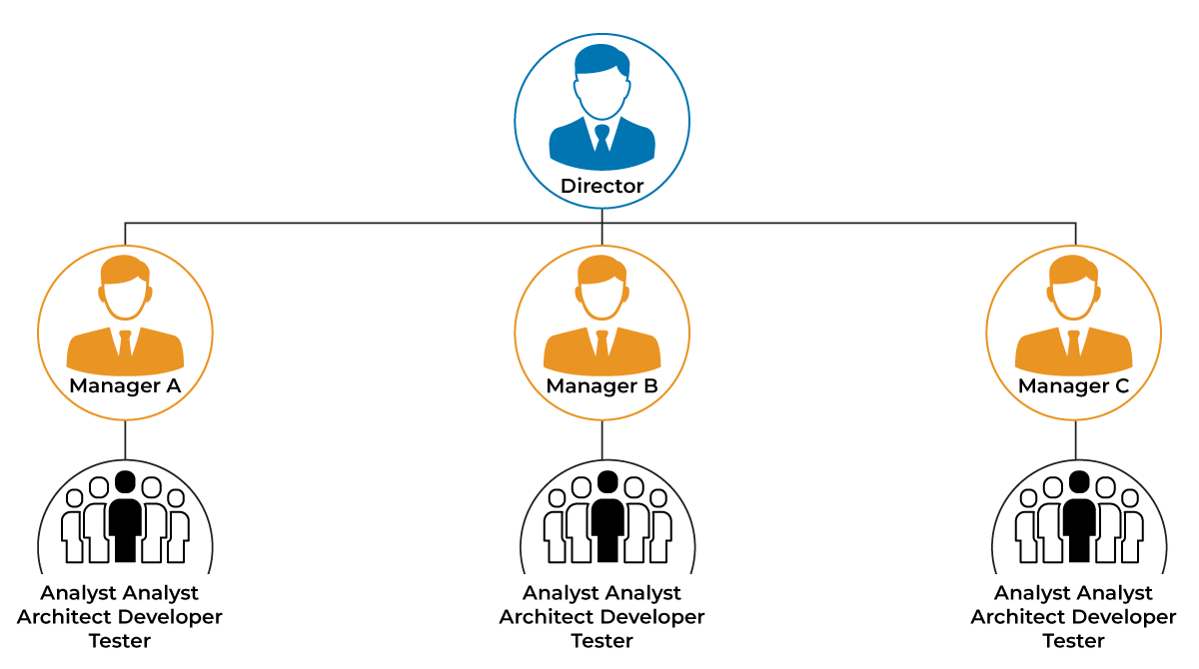 As the name suggests, in PBOs, projects are the main units of conducting undertakings. There is a CEO or director at the top and managers of various departments under him. Under them are project teams consisting of various members like the analyst, architect, developer, tester, etc.
PBOs can be formed by different types of organizations, including functional and matrix. Implementation of a project-based system in the organization may diminish the hierarchy and bureaucracy in the organization. PBOs focus on the final result of the projects instead of unnecessary politics and positions. 
What are the Key Features of a Project-Based Organization?
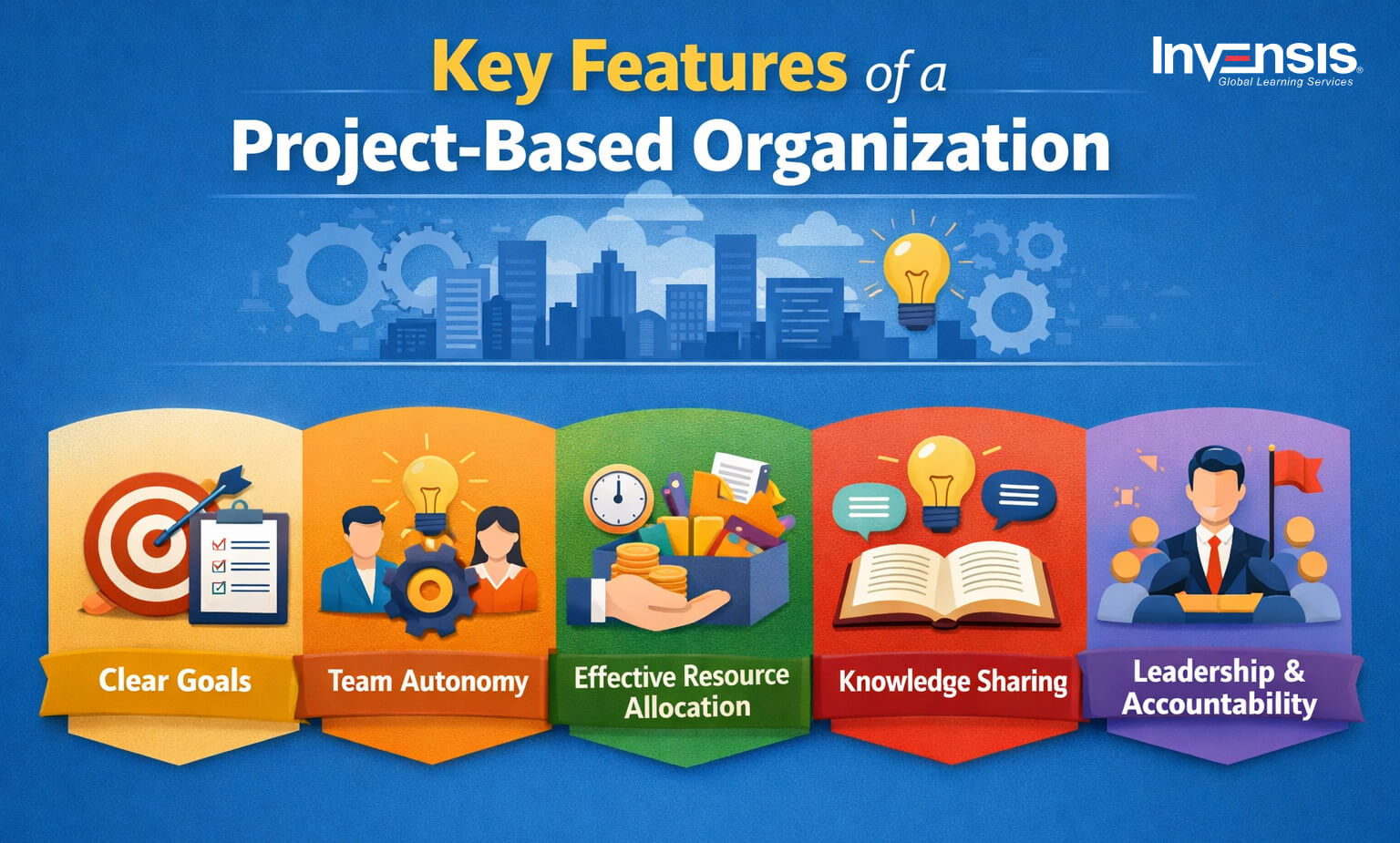
- Clear Project Goals and Objectives: Every project within the organization has clear, well-defined goals. These goals drive the team’s efforts and ensure that all activities are aligned with the project's objectives.
- Autonomous Teams: Project teams are given a high degree of autonomy, enabling them to make decisions quickly and adapt to changes in the project scope or timeline.
- Cross-Functional Collaboration: Teams in a project-based organization often consist of members from different functional areas, ensuring diverse skill sets and perspectives are brought to the table.
- Flexible and Adaptive: The project-based structure allows organizations to quickly respond to changes in market conditions, client needs, and internal resources. Teams can be reorganized as needed to meet project demands.
- Accountability and Performance Monitoring: Since teams are dedicated to specific projects, performance is closely monitored, and accountability is clear. Success is measured based on the completion of project goals, timelines, and budgets.
What Are the Different Types of Project-Based Structures?
Different organizations may adopt project-based organizational structures tailored to the scale, complexity, and nature of their projects. Understanding these types helps organizations determine which structure aligns best with their project goals and company culture. Let's dive deeper into the most common project-based structures:
1. Pure Project Structure
In a pure project structure, the organization is fully dedicated to project-based work. This is a project-based organization where all resources, including people, equipment, and budget, are allocated to specific projects, and each project operates independently. The project manager has full authority over all aspects of the project, including team management, decision-making, and resource allocation.
Ideal For: This structure is best suited for companies working on large-scale, complex projects that require focused attention and dedicated resources. Industries such as construction, aerospace, and IT development often use this structure.
Advantages:
- Clear accountability: With a dedicated project manager and team, the chain of command is direct and simple.
- Full resource allocation: All resources can be dedicated to the project's success without competing for attention with other parts of the organization.
- Quick decision-making: With a centralized focus, decisions are made swiftly, keeping the project on track.
Challenges:
- Isolation: With teams dedicated solely to one project, there can be a lack of communication and synergy with other teams or departments.
- Duplication of resources: Large organizations may end up with multiple teams with similar expertise, resulting in redundancy.
2. Matrix Project Structure
A matrix project structure blends the project-based organizational structure with traditional functional management. In this model, employees have dual reporting relationships: they report to both a project manager for project-related tasks and to a functional manager for their day-to-day work in their specific departments.
Ideal For: This model is beneficial for companies that need to balance multiple projects simultaneously while also maintaining functional expertise across departments. It is commonly used in consulting firms, research organizations, and large multinational corporations.
Advantages:
- Flexibility: It allows teams to be used across various projects, ensuring a more adaptable resource allocation.
- Balance between project focus and functional expertise: Employees can manage project-specific work while still benefiting from the support and expertise of their functional departments.
- Optimized resource utilization: Resources are not confined to a single project; they can be reassigned to other projects as needed.
Challenges:
- Complex communication: With multiple reporting lines, employees may experience confusion or conflicting priorities.
- Power struggles: Project managers and functional managers may have differing goals, leading to tensions over resource allocation and decision-making authority.
3. Composite Project Structure
The composite project structure is a hybrid model that combines elements from both the pure project structure and the matrix project structure. It is tailored to the organization's specific needs and offers greater flexibility by combining the best aspects of both systems. In this setup, certain projects may have a dedicated team (as in the pure project structure). In contrast, others may utilize cross-functional teams that report to both functional and project managers (as in the matrix structure).
Ideal For: The composite project structure is suited for organizations that handle a variety of projects with differing scopes, needs, and team sizes. It works well for global companies or businesses with diverse project types, such as software development firms that work on both large-scale product releases and smaller, iterative projects.
Advantages:
- Tailored flexibility: This model allows organizations to choose the structure that best fits each project, based on its size, scope, and complexity.
- Efficiency in project execution: Teams can be assembled from both functional and project-based roles, ensuring the right expertise is applied to each project.
- Scalability: As the organization grows and the number of projects increases, the composite model enables better scalability than a purely project-based organization.
Challenges:
- Management complexity: While the model is flexible, it can also be more complex to manage, as it requires a clear understanding of when to apply each structure.
- Potential confusion over roles: With varying levels of authority and responsibility, teams may experience ambiguity about their roles within the organization.
Choosing the Right Project-Based Structure for Your Organization
Selecting the best project-based organizational structure depends on the company's size, the types of projects being undertaken, and the need for cross-functional collaboration. Each model has its own advantages and challenges, and companies often choose a hybrid approach that best suits their specific needs. Whether you opt for a pure, matrix, or composite project structure, the goal is always to empower your team to deliver successful projects efficiently.
What Are the Advantages of a Project-Based Organization (PBO)?
| Research Insight The effectiveness of a project-based organization is backed by statistics. According to the Project Management Institute, ‘Organizations with mature project management practices are 2.5 times more likely to deliver projects on time and within budget.’ This underlines the importance of strong project management frameworks in achieving organizational goals. |
Opportunity for Innovation:
In a project-based organization, close collaboration between project tasks and strategic goals drives continuous improvement of products and services. This alignment fosters innovation, boosting overall business value and expanding growth opportunities.
Skill Development:
The dynamic nature of project work exposes team members to diverse challenges, helping them acquire new skills and expertise in addressing emerging issues. This continuous learning improves their adaptability and problem-solving abilities.
Knowledge Management:
Project-based organizations encourage the free flow of knowledge across teams. They often create "lessons learned" repositories where experiences and best practices are shared, ensuring that knowledge is carried forward into future projects and elevating the overall quality and performance of the organization.
|
Expert Perspective “Collaboration and knowledge sharing are critical for project managers to overcome the challenges they face. By effectively managing knowledge, project managers can improve performance, reduce risk, and increase the chances of project success.” |
 |
Resource Allocation:
The structural flexibility of PBOs enables the efficient allocation of both physical and human resources to projects that offer the highest organizational benefit. This ensures that resources are used optimally, thereby improving effectiveness.
Reduced Internal Politics:
Since project teams are focused on specific objectives and outcomes, the chances of internal politics and favoritism are minimized. This promotes a more meritocratic environment in which team members are recognized for their contributions to the project's success. Personalized Appraisals: With project managers overseeing smaller, dedicated teams, they can give personalized attention to individual team members. This results in more accurate performance evaluations, fostering greater dedication and motivation among employees. Enhanced Flexibility and Responsiveness: Project managers have direct authority over project operations, allowing them to respond quickly to changes in scope or objectives. This improves flexibility and accelerates decision-making processes.
Disadvantages of a Project-Based Organization (PBO)
Isolation of Teams:
Project teams often work in isolation, leading to a lack of cross-team collaboration. This limited interaction may hinder overall knowledge and insight sharing, reducing the organization's ability to innovate.
Communication Barriers:
With teams working separately on different projects, communication between them can become fragmented. This lack of inter-team communication may hinder knowledge transfer and delay the dissemination of valuable insights across the organization.
Career Growth Challenges:
In a project-based structure, employees frequently shift between projects, which may disrupt their career continuity and hinder professional development. The lack of a clear career path can lead to frustration for employees seeking long-term growth within the organization. This optimized version of the content is now more concise, with better transitions between sections. The advantages and disadvantages are clearly defined, and the content is more reader-friendly while maintaining important details.
Conclusion
A project-based organization (PBO) offers numerous benefits, including fostering innovation, improving resource allocation, and enabling skill development. By aligning project tasks with organizational strategies, PBOs allow businesses to respond quickly to changing market demands and optimize performance. The flexible nature of PBOs empowers teams to innovate and solve problems autonomously, enhancing business value and providing a strong foundation for growth and continuous improvement.
However, PBOs also pose challenges, including team isolation, communication barriers, and potential disruptions to career continuity. To overcome these challenges, organizations must implement strategies to facilitate cross-team collaboration, maintain consistent knowledge transfer, and provide clear career development paths. If you’re looking to enhance your organization’s project management capabilities, explore our Project Management courses to equip your teams with the skills necessary to thrive in a project-based organizational structure. These courses will help your employees gain the tools they need to lead successful projects and adapt to dynamic business environments.
Frequently Asked Questions
1. What is a project-based organizational structure?
A project-based organizational structure is a framework where teams are organized around specific projects rather than by functional departments. In this structure, each project has a dedicated team that works on it from start to finish, ensuring that resources and efforts are aligned to achieve project goals efficiently.
2. What are the key benefits of a project-based organization?
Some key benefits of a project-based organization include:
- Improved Focus: Teams are dedicated to specific projects, ensuring full attention is given to project goals.
- Innovation: Autonomy allows for creativity and problem-solving, encouraging innovation within project teams.
- Better Resource Allocation: Resources are allocated according to the project's needs, ensuring efficiency and timely delivery.
- Knowledge Sharing: Lessons learned from past projects are shared to foster continuous improvement.
3. How does knowledge sharing work in a project-based organization?
In a project-based organization, knowledge sharing occurs through open communication, collaborative tools, and repositories of lessons learned. Project teams share their experiences, successes, and challenges with other teams to improve processes and outcomes in future projects. This helps with continuous learning and the adoption of best practices across projects.
4. What are the challenges of a project-based organizational structure?
While project-based organizations offer several advantages, they also present challenges such as:
- Isolation of teams: Teams may work independently, leading to a lack of communication and collaboration across the organization.
- Resource Conflicts: Multiple projects may lead to resource allocation issues, especially when resources are limited.
- Employee Career Growth: Frequent team changes can disrupt career continuity and make professional development more challenging.
5. How does a project-based organization improve project success rates?
A project-based organization enhances project success by fostering:
- Clear goals and dedicated teams focused on specific outcomes.
- Autonomy and accountability, allowing teams to make decisions quickly.
- Direct resource allocation, ensuring that resources are available when needed most.
- This structure is supported by statistics, such as the PMI report, which shows that organizations with strong project management practices are more likely to deliver projects on time and within budget.
6. What industries benefit the most from a project-based organizational structure?
Industries that manage complex, time-sensitive, or large-scale projects benefit the most from a project-based structure. These industries include:
- Construction and Engineering (e.g., Bechtel, Turner Construction)
- IT and Software Development (e.g., Spotify, AWS)
- Film and Media Production (e.g., Warner Bros., Disney)
- Consulting (e.g., McKinsey & Company)
7. How do project-based organizations handle flexibility and adaptability?
In a project-based organization, flexibility is built into the structure. Project managers have the authority to make decisions on the fly, allowing for quick adjustments to changing project requirements, scope, or market conditions. This adaptability is vital for success, especially in industries where conditions evolve rapidly.
8. Can a project-based structure work for small organizations?
Yes, a project-based organizational structure can work for both large and small organizations. Small organizations benefit from this model because it enables efficient resource use and empowers teams to take ownership of specific projects, thereby improving focus and flexibility.