Course Overview

    Overview

    What's Included

    Course Highlights

    Eligibility Criteria

    Benefits

    Exam Format

    Certification Cost

    Who Can Take

    What Is the Change Management Foundation and Practitioner Course?

    Your Route to Leading Change

    Change Management Foundation and Practitioner course badge

    What's Included in Your Change Management Foundation and Practitioner Training

    • Accredited Digital courseware

    • Live instructor-led training: 3-day Foundation (24 hours) + 2-day Practitioner (16 hours) — 40 hours total, at 8 hours per day

    • Full-length mock exams for both Foundation and Practitioner

    • Guided open-book technique coaching for the Practitioner paper

    • Scenario-based exercises and knowledge checks

    • Exam-focused guidance for first-attempt readiness on both papers

    • 40 PDUs on completion of the training (24 Foundation + 16 Practitioner)

    • Retake the training within 2 months at no additional cost

    • Recordings of all training sessions.

    Key Highlights

    of the Change Management Foundation and Practitioner Training Course

    Change Management Foundation and Practitioner Eligibility in Kansas City

    Do You Qualify for the Change Management F&P Exam?

    Why Change Management Certification Training Pays off in Kansas City

    Skills Employers Recognize

    Change Management F&P Exam Format in Kansas City

    What to expect on exam day

    The Change Management Foundation and Practitioner exams in Kansas City assess your understanding of change management principles and your ability to apply them in real-world organizational environments. The Foundation exam focuses on core concepts, terminology, and frameworks through multiple-choice questions, while the Practitioner exam evaluates your ability to analyze scenarios and apply change management techniques to practical business situations. Understanding the structure, duration, and passing requirements of both exams helps candidates prepare effectively and approach certification with confidence.

    Change Management F&P Certification Cost in Kansas City

    Who Should Take Change Management F&P Certification Training in Kansas City?

    • Change Leaders

    • Change Project Managers

    • Transformation Managers

    • Business Change Managers

    • Operational Line Managers

    • Project Team Members

    • HR Representatives

    • Business Managers

    • Project and Program Managers

    Change Management Careers in Kansas City

    Roles, Demand and Pay

    Change management has become a core skill across Kansas City, valued by health-tech, engineering, banking and public-sector employers running large transformation programs. As Oracle Health scales digital health, CPKC integrates its rail network, and local banks modernize, certified change professionals are increasingly sought after. Demand spans change analyst, consultant, change manager and transformation lead roles, and here is what the local market is telling us right now.

    What Is Driving Change Management Demand in Kansas City

    Change management is more than a credential. It is the skill that makes transformation land. Join Kansas City professionals who lead change that people actually adopt. Start your CM-F&P journey today.

    Your Kansas City Career Transformation

    Your Change Career, Before and After

    The CM-F&P Difference

    Kansas City's transformation agenda is expanding across health technology, rail, banking and engineering, and employers increasingly separate certified change leaders from the rest. Here is which side of that line you want to be on.

    Sources: PayScale, Salary.com, Glassdoor (US and Missouri) 2026.

    How to Get Change Management F&P Certified in Kansas City

    Step-by-Step Certification Process

    Embark on the road to Change Management certification exam success in Kansas City. The certification path is a structured two-exam track: complete the 5-day Invensis Learning training, sit the Foundation exam (50 MCQ / 40 min / 50% pass / closed book), then the Practitioner exam (5 scenario-based sections of 16 marks / 2.5 hours / 50% pass / objective testing). On passing both, you earn the Change Management Foundation and Practitioner credentials.

    Module 2: Team Change

    • Understanding the Nature of theme models
    • Identify leadership issues in Change
    • Learning how to improve team effectiveness. Also, how individuals affect team dynamics
    • Learn Tuckman's model of team change and the development changes teams go through

    Module 3: Organizational Change

    • Understanding the various organizational metaphors, like Flux and Transformation organizational metaphor
    • Learn the eight-step model for transforming your organization
    • Identify the three phases in transition management and distinguish between a planned and transitional change
    • Understand the process involved when managing Change

    Module 4: Leading Change

    • What is the leader's role in the key organizational metaphors
    • Learn the role of a leader in Change Management
    • Identify the leadership focus for the various phases of Change
    • Learn the Goleman leadership skills and practices

    Module 1: Individual Change

    • The defining features of models which describe how people learn:
    • The learning process and the learning dip; the Gestalt terms 'foreground' and 'background'; the sequence of the learning process (conscious/unconscious incompetence to unconscious competence)
    • The stages and sequence of the 'learning cycle' (Kolb) and the related learning styles
    • The perspectives associated with the cognitive approach to change
    • Achieving results and setting goals; the 'well-formed outcome'; the sequence which connects self-concept to results
    • Techniques for changing beliefs and performance
    • The perspectives associated with the psychodynamic approach to change
    • The sequences and terms used in theories using the idea of a 'change curve' (Kubler-Ross; Adams, Hayes and Hopson
    • The sequences and terms used in the Virginia Satir model and critical points in the change process (Satir; Weinberg)
    • The perspectives associated with the humanistic psychology approach to change
    • The levels and terms used in the hierarchy of needs (Maslow)
    • The three 'crucial conditions' to bring about growth and development with individuals within organizations and process of change (Rogers and the path to personal growth)
    • The Gestalt approach to individual and organizational change; the terms used and sequence of the Gestalt cycle (Perls; Nevis)
    • The individual personality 'preferences' identified by the MBTITM and the responses of four types of individuals to change (Myers and Briggs)
    • The factors that influence how to manage change in self and others
    • Propensity for change - five factors (Cameron and Green)
    • The stages and terms used in the transformative change model and factors causing resistance to change (Schein)
    • How managers and change agents can help others to change
    • The theories and models about the nature of teams
    • What is a group and when is it a team? (Various)
    • Why we need teams and the relationship between uncertainty and teamwork (Casey) 3. Types of organizational teams (Cameron and Green)
    • How to Improve Team Effectiveness. The five elements that contribute to the level of a team's effectiveness or ineffectiveness (Glaser and Glaser)
    • Tuckman's model of team change and the stages of development that teams go through
    • Leadership Issues in Team Change. The phases that groups go through and the challenges for leaders (Bion and Turquet) (see Appendix A, Note 1)
    • How individuals affect team dynamics
    • MBTI and Teams
    • Similarity and difference between individuals within teams (McCaulley) 3. Team types (Belbin)

    Module 2: Team Change

    • The elements of theories and models about how individuals affect team dynamics
    • How team members with different MBTI react to one another in teams and their attitudes to change
    • The advantages and disadvantages of similarity and difference between individuals within teams (McCaulley)
    • The contributions and allowable weaknesses of people playing different team roles (Belbin)
    • How team effectiveness can be improved during change using: Glaser and Glaser's five elements (defined in 0202); Tuckman's model of team change (defined in 0203); Bion and Turquet's leadership issues (defined in 0204); the John Adair model; the team leader's role and behaviors; facilitation; and action learning.
    • How different types of teams and different individuals within teams affect the way teams react to change (as identified in 0201 and 0205)

    Module 3: Organizational Change

    • The key beliefs and assumptions associated with the Machine organizational metaphor (Morgan)
    • The key beliefs and assumptions associated with the Political Systems organizational metaphor (Morgan)
    • The key beliefs and assumptions associated with the Organisms organizational metaphor (Morgan)
    • The key beliefs and assumptions associated with the Flux and Transformation organizational metaphor (Morgan)
    • The underlying principles behind understanding the driving forces and resisting forces in any situation if change is to happen:
    • Force Field Analysis, examining the driving and resisting forces (Lewin)
    • Three-step model of organizational change (Lewin)
    • The factors in the change formula (Beckhard and Harris)
    • The four phases of planned change that draws on the disciplines of project management (Bullock and Batten)
    • The Eight Step Model for transforming your organization (Kotter) (Note: Fig.3.3 on P127 is not examined)
    • The four components in the congruence model that draws on the socio-technical view of organizations and addresses the dynamics of what happens in an organization when we try to change it. (Nadler and Tushman)
    • The three phases in managing transition and the distinction between planned change and transition (Bridges)
    • The "principles of environmental systems" for how organizations operate and its relevance to sustaining and renewing organizational change (Senge et al)

    Module 4: Leading Change

    • The leader's role linked to each of the four key organizational metaphors
    • The description of visionary leadership including
    • The characteristics of visionary leaders (Bennis)
    • What leaders really do (Kotter)
    • The characteristics of other theories on leadership approaches
    • Transformational and transactional leadership (Bass; Bryman)
    • Story telling leadership (Gardner)
    • Adaptive leadership (Heifitz and Laurie)
    • Connective leadership (Lipman-Blumen) (Note: Leadership for the 21st century and Table 4.3 are not examined)
    • The characteristics of other theories on leadership approaches
    • Transformational and transactional leadership (Bass; Bryman)
    • Story telling leadership (Gardner)
    • Adaptive leadership (Heifitz and Laurie) 4. Connective leadership (Lipman-Blumen) (Note: Leadership for the 21st century and Table 4.3 are not examined)
    • The leadership styles and skills (Goleman)
    • Leadership styles that get results
    • Emotional competencies for leaders
    • The different leadership focus for different phases of change:
    • Kotter's recommended actions for the first four change steps in leading change
    • Learning how to persevere (Kanter)
    • Leading people through transition (Bridges) (Note: Inner and outer leadership, Table 4.6, P185-6 not examined at Foundation level)
    • The importance of self-knowledge and inner resources:
    • The role of self-knowledge (Bennis)
    • Characteristics of principle-centered leaders (Covey)
    • Covey's seven habits (Note: Erikson, Table 4.8 is not examined)

    Course Curriculum

    of the Change Management Foundation and Practitioner Certification Training

    The Change Management F&P curriculum follows the official Change Management Body of Knowledge (CMBoK) and covers Individual, Team, Organizational, and Leading Change at both Foundation and Practitioner depth.

    Change Management Foundation Course Curriculum

    Change Management Practitioner Course Curriculum

    image

    100% Secure and Safe download

    The Change Skills You Will Build

    Models, Tools and Techniques

    This program covers what you will learn across the five Change Management syllabus areas, from individual and organizational change models to stakeholder engagement, change practice and professional conduct. By the end, you can plan and lead change that people adopt.

    Guide Individuals Through Change

    Learn how people experience change and apply individual models such as ADKAR and Bridges' Transition Model. You will diagnose where change stalls, build motivation, and support people through endings, uncertainty and new beginnings.

    Lead Organizational Change

    Apply organizational models including Lewin's Three-Step Model, Kotter's 8-Step Model and the McKinsey 7-S Framework. You will assess change readiness, read organizational culture using Schein's model, and choose the right approach for the context.

    Engage Stakeholders and Communicate

    Identify and analyze stakeholders, build engagement strategies, and design change communication plans. You will apply Cialdini's principles of influence to manage resistance through dialogue rather than pressure.

    Plan and Deliver Change Practice

    Run change impact assessments and build complete change management plans covering communication, training, resistance and embedding. You will connect the change plan to project delivery so benefits are realized.

    Apply Change to Real Scenarios

    Practice the Practitioner open-book, scenario-based technique and use emotional intelligence, coaching and ethics in complex change situations. You will learn to navigate the Practitioner Guide efficiently under exam conditions.

    Pass Both Certification Exams

    Prepare for the Foundation exam (50 questions, closed book, 40 minutes) and the Practitioner exam (5 scenario sections, open book, 2.5 hours) with mock exams and guidance to clear both on your first attempt.

    Change Management F&P Training Options

    for Professionals and Teams

    We offer flexible training formats designed to suit different learning preferences, schedules, and professional goals. Whether you prefer classroom learning, live online sessions, team-based learning, or personalized coaching, choose the option that best supports your Change Management Foundation & Practitioner learning journey.

    Change Management Classroom Training

    • Instructor-led classroom sessions

    • Interactive discussions and group activities

    • Real-world examples and practical exercises

    • Structured learning with fixed schedules

    • Opportunities for peer networking and collaboration

    • Practice assessments and knowledge checks

    • Dedicated Q&A and concept clarification

    • Immediate trainer feedback and support

    Learn through face-to-face sessions led by experienced instructors in a collaborative classroom environment. This Classroom Change Management F&P training format combines expert guidance, peer interaction, and practical exercises to create an engaging learning experience.

    Best For: Learners who prefer in-person interaction, structured schedules, and collaborative learning experiences.

    Change Management Corporate Group Training

    • Customized training aligned to organizational goals

    • Flexible delivery: onsite, virtual, hybrid, or blended

    • Scheduling tailored to business availability

    • Role-based examples and industry-relevant discussions

    • Progress tracking and learner assessments where applicable

    • Dedicated coordination and administrative support

    • Consistent learning experiences across teams

    • Scalable delivery for local, regional, or global workforces

    Designed for organizations that want to build change leadership capabilities, improve transformation outcomes, and support workforce development through structured learning initiatives. This format is ideal for Change Management F&P training for companies in Kansas City seeking to equip teams with practical change management skills.

    Best For: Organizations looking to upskill employees, address capability gaps, and deliver consistent training across teams.

    Change Management Focused 1-to-1 Training

    • One-to-one instructor attention

    • Customized learning plans and objectives

    • Flexible scheduling based on availability

    • Personalized feedback and coaching

    • Additional focus on challenging topics

    • Targeted practice and revision support

    • Faster clarification of questions and concepts

    • Learning pace is adapted to individual needs

    Receive personalized instruction tailored to your goals, pace, and learning requirements through dedicated sessions with an expert trainer. This format provides Change Management F&P coaching for professionals seeking individualized support with certification preparation, stakeholder engagement strategies, and organizational change initiatives.

    Best For: Professionals seeking personalized guidance, accelerated learning, or focused support to achieve specific outcomes.

    Change Management Live Virtual Training

    Change Management Live Virtual Training

    Live online instructor-led sessions

    Interactive discussions and virtual activities

    Expert guidance from experienced trainers

    Practice assessments and revision support

    Dedicated Q&A sessions for concept clarification

    Fixed schedules for accountability and momentum

    Small batch sizes for personalized attention

    Access from any location with internet connectivity

    Starts from

    USD 1475

    Please Note: Attend fully interactive online sessions from anywhere while benefiting from real-time instructor guidance and collaborative learning experiences. This Virtual Change Management F&P training option provides flexibility while maintaining direct engagement with experienced trainers.

    Best For: Professionals seeking the flexibility of online learning without compromising on live instructor interaction.

    Loading schedules…

    Why Train with Invensis Learning in Kansas City

    Your Certification, Supported End to End

    As a trusted change management training company in Kansas City, MO, Invensis Learning delivers structured Change Management Foundation and Practitioner training for professionals and organizations building change capability in Kansas City. Our programs combine experienced trainers, CMBoK-aligned courseware, flexible delivery, and support to prepare you for both certification exams. Whether you enroll as an individual or plan corporate training for your team, you get a professional learning experience built around practical understanding, real-world application, and clear exam readiness, backed by ISO-certified quality and information-security standards.

    • Experienced, change-qualified trainers with real transformation experience
    • Flexible formats: live online, classroom and corporate group training
    • CMBoK-aligned courseware covering both Foundation and Practitioner syllabi
    • Support and mock exams to help you clear both exams first time
    • Guidance on the open-book Practitioner scenario technique
    • Dedicated learner support before, during and after training
    • ISO 9001 and ISO 27001 certified training operations
    • Scalable delivery for individuals and Kansas City teams

    98%

    First-Attempt Pass Rate

    5000+

    Accredited Trainers Globally

    4.7/5

    Rated by Learners Worldwide

    500+

    Corporate Clients

    ISO 9001:2015 Certified

    ISO 9001:2015 Certified

    ISO 27001:2022 Certified

    ISO 27001:2022 Certified

    Secure SSL Encryption

    Secure SSL Encryption

    Leaders in Training industry for 12+ years

    Leaders in Training industry for 12+ years

    Over 5000 five star reviews

    Over 5000 five star reviews

    Level AA conformance, W3C WCAG 2.2

    Level AA conformance, W3C WCAG 2.2

    Change Management Foundation and Practitioner Training Locations in Kansas City

    Instructor-led in-person Classroom training is available for group batches. All other public cohorts are delivered as Instructor-led Live Virtual. See available cohorts

    Change Management Foundation and Practitioner Training Location in Kansas City

    The Westin Kansas City at Crown Center, Kansas City Mo

    Change Management Foundation and Practitioner Training Location in Kansas City

    Sheraton Kansas City Hotel at Crown Center, 2345, McGee Street, Downtown Kansas City, Kansas City, Jackson County, Missouri, 64108, United States

    corporate banner

    Corporate Change Management Training

    For Your Kansas City Teams

    • Suitable for small, medium and large teams
    • Customized schedules based on team availability
    • Flexible delivery through onsite, live virtual or hybrid formats
    • Experienced trainers with real change and transformation expertise
    • Role-based, industry-relevant examples for better workplace application
    • Dedicated coordination and learner support for group programs
    • Scalable delivery for teams across Kansas City and beyond

    Trusted by Leading Enterprises in United States

    Oracle HealthBurns & McDonnellT-MobileCommerce BankGarminEvergy

    Inquire with us now

    Drop us a query and our learning consultant will reach out to you shortly

    Request Training Details

    Fill out this form and we will respond quickly.

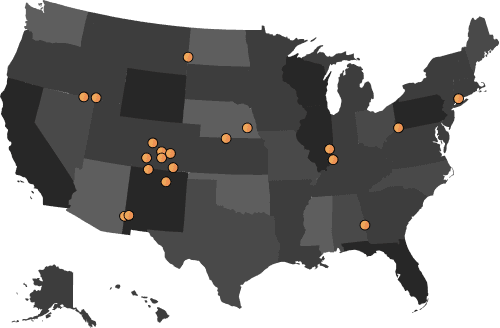
    We also deliver Change Management Foundation and Practitioner Training across multiple cities in United States

    Change Management Foundation and Practitioner training for individuals and teams. Select a city in United States to view upcoming dates, formats and pricing.

    Frequently Asked Questions

    Here's everything you may ask...

    Yes. Change management is in demand across Kansas City employers such as Oracle Health, engineering firms and local banks, where organizational change manager roles in Missouri average around $114,000. The Foundation and Practitioner credentials give you a recognized method and stronger career prospects.